
IndraPrastha Scrap Metal Steel Recycling Industry
IndraPrastha Scrap Metal Steel Recycling Industry’s import and export manufacturing agency for local and international industries alliance
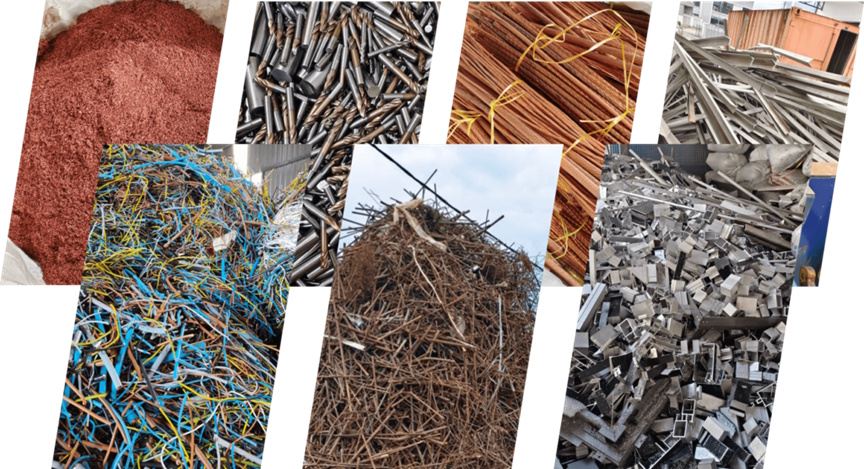
IndraPrastha Steel Metal Recycling Industry is an established industry in the manufacturing sector of the manufacturing line in the past 10 years as a local and international import and export agency. Highlighting is IndraPrastha has strong market challenges to use influences influences to builds about the Scrap Metal trade development. Company’s strengthening its leadership very successfully. Ferrous and non-ferrous.
We are deeply involved in the scrap steel trading business across Malaysia and have established collaborations with South ASEAN countries, London, Russia, Dubai, India, Australia, and other international partners.
Major involved the in scrap metal trade business for buying and selling a both local and overseas huge deals for ferrous and none-ferrous.
About IndraPrastha local Markets:
The IndraPrastha Steel Cable & Copper Recycling company has the largest significant stores for collection. Likewise, restaurants, hypermarkets, clubs and bars, hotels, retail store and most other major factors in the construction industry’s disposal of iron.
Reconsider Your Commercial Trash Volume
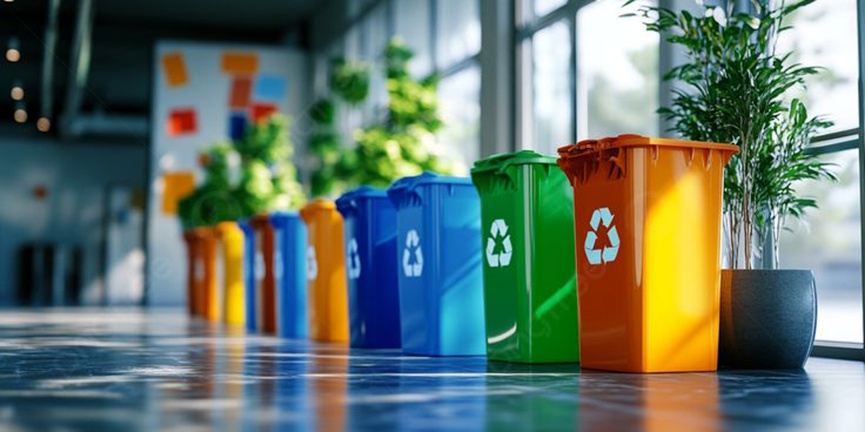
Reducing your business waste reduces your carbon footprint and makes your business more eco-friendly. It also allows you to call yourself a green business, protect your community’s natural resources, and comply with local zero-waste initiatives. You can reduce your commercial trash volume by:
• Evaluating your waste – Schedule a professional waste audit to find out how much waste you generate and how much of it is necessary. Your auditor can help you find ways to reduce production and purchases, reuse and recycle, and divert and compost.
• Considering new technology – New technology can make your business more efficient and streamline waste management. A dumpster compactor or recycling baler can reduce your waste and make it easier to transport to a commercial recycling center.
• Getting rid of wasteful practices – You can also start getting rid of wasteful practices. Convert to a paperless office as much as possible, stop using paper products, buy recycled paper, and create incentives for employees to participate in company recycling programs.
• Composting – Consider composting organic and food waste.
• Purchasing recycled or recyclable office supplies – Purchasing recycled and/or recyclable office supplies can reduce your carbon footprint.
• Using energy-efficient office equipment – Energy-efficient office equipment will lower your energy bills and energy usage and will also last longer than other types of office equipment.
• Eliminating single-use products – Stop using single-use products like paper cups, plates, and napkins. Get rid of plastic cutlery and start buying kitchen items like coffee, sugar packets, and more in refillable containers instead of single-use packets.
IndraPrastha Steel Metal Recycling Industry Dealer in Malaysia
IndraPrastha Steel Metal Recycling Industry is Malaysia’s leading scrap cable and wire. We’re experts in sourcing, evaluating, and processing various cable types, such as copper PVC, aluminum PVC, copper lead, and aluminum lead cables. We take pride in our work and are committed to delivering quality service. Our vast network of scrap traders in Malaysia helps us keep up with market trends. This allows us to offer competitive prices for scrap cables. We want to ensure our clients get the best value for their materials.
Different cable types require specialized technology for efficient separation and processing. We recognize that flexible wire, household cables, power cables, underground cables, and copper/aluminum cables have complex compositions. Therefore, we’ve invested in cutting-edge technology to handle these diverse materials precisely. Our state-of-the-art equipment ensures that no valuable resources go to waste during recycling.
IndraPrastha Steel Metal Recycling Industry”, We primarily focus on copper, lead, and aluminum cables. We specialize in a wide variety of scrap cables, including:
Copper Cable
Copper cables are a valuable resource, and we offer competitive prices for them. Our expertise in evaluating copper content ensures you receive top value for your Cu cables.
Copper Power Cables
Power cables are vital components in various industries. We understand their significance and offer fair prices for Cu Power Cables.
Copper Plug Cable
Cu Plug Cables play a crucial role in electrical connections. We provide competitive rates for Cu Plug Cables, reflecting their value.
Aluminum/Copper Cables
Al and cu mix cables are standard in many applications. Our specialized technology allows us to efficiently process Al/Cu Cables, maximizing their recycling potential.
Aluminium Cables
Al cables are known for their lightweight and durability. We offer attractive prices for Al Cables, ensuring you get the best returns.
Copper Car Cables
Cu car cables are a niche but valuable resource. We specialize in evaluating Cu Car Cables accurately, guaranteeing fair compensation.
Premier Battery Scrap Trading Company in Malaysia
Wet Whole Intact Lead Battery Scrap
Lead battery scrap, classified as ISRI Code RINK, is the most valuable grade of lead scrap. It consists of intact lead batteries, such as automotive and marine types, with plastic or rubber cases. The batteries must be free from wood, metal, or glass cases, as well as from sand, soil, or dust contaminants.
Whole Intact Lead Battery Scrap
Industrial Lead Battery Scrap is a valuable recyclable commodity, commanding significant value at scrapyards. It is commonly sourced from heavy-duty equipment like forklift trucks and industrial lift trucks. These batteries are crucial backup power sources for data centers, utilities, and telecommunications.
COPPER
What is Copper Recycling for Construction Waste?
The Importance of Recycling
During the past decade, strong growth in emerging economies, coupled with an increased use of copper for innovative and clean energy technologies, has led to significantly higher copper demand.
The recovery and recycling of copper help satisfy this demand and to build a sustainable future for people and the planet.
The construction industry can reap significant financial benefits from copper recycling initiatives. Contractors who implement effective recycling programs transform what was once considered waste into a valuable commodity, creating multiple economic advantages throughout the construction process.
Construction and demolition projects generate substantial amounts of copper scrap found in wiring, pipes, and various fixtures. Instead of paying for disposal, companies can sell this scrap to recyclers, creating an additional revenue stream that directly improves project profitability.
The financial impact extends beyond immediate cash returns. By diverting copper from landfills, contractors significantly reduce waste management costs. Many regions charge increasing fees for construction waste disposal as landfills reach capacity. Recycling copper helps avoid these rising expenses.
Unlocking Competitive and Economic Advantages Through Copper Recycling
Creating Competitive Advantage
Construction companies that effectively recycle copper gain a competitive edge in project bidding. The revenue from recycled copper can offset other project costs, allowing contractors to submit more competitive bids without sacrificing profit margins.
Consider a renovation project generating 500 pounds of copper wiring and pipes. At current market rates, this could yield thousands of dollars in recycling revenue. Savvy contractors factor this value into their bid calculations, potentially undercutting competitors while maintaining profitability.
The financial benefits extend to clients as well. When contractors pass along savings from recycling revenue, property owners experience reduced project costs. This creates a win-win scenario that promotes sustainability while delivering economic value.
Supply Chain and Operational Benefits
Copper recycling significantly contributes to supply chain predictability. Market volatility affects virgin copper prices due to mining challenges and geopolitical factors. Recycled copper provides a more stable alternative with less price fluctuation, allowing for better financial planning and risk management.
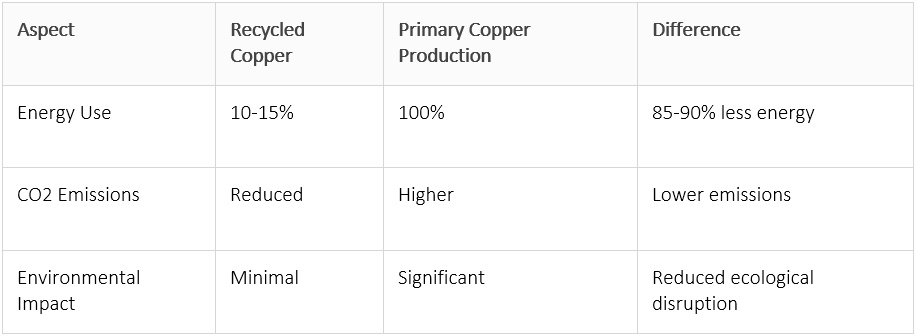
The operational cost advantages are note worthy too. Processing recycled copper typically requires about 85% less energy than mining and refining new copper. These energy savings translate to lower production costs throughout the supply chain. Construction companies benefit from these efficiencies through more affordable copper products.
Supply stability is another crucial benefit. Mining operations face increasing challenges from resource depletion and stricter environmental regulations. Recycling creates a reliable domestic supply of copper, reducing dependence on international mining operations and helping construction companies avoid supply interruptions that could delay projects.
Long-Term Economic Impacts
The economic benefits of copper recycling extend beyond immediate project gains. Construction companies that establish comprehensive recycling programs develop valuable expertise and infrastructure, creating opportunities for additional revenue through expanded recycling services.
Many regions offer tax incentives and financial support for sustainable construction practices, often including benefits for metal recycling initiatives. Construction companies can leverage these incentives to enhance project profitability while supporting environmental goals.
The market for recycled copper continues to expand as more industries prioritize sustainability. Construction companies that establish strong relationships with recyclers ensure access to the best prices and services, creating lasting economic advantages that benefit multiple projects over time.
Brass
REDUCING ENVIRONMENTAL FOOTPRINT
Primary copper production involves extensive mining operations that can cause habitat destruction and biodiversity loss. Mining activities often disturb large tracts of land while generating tailings and waste rock that may leach harmful substances into soil and water sources. Recycling copper reduces these ecological disruptions by decreasing the need for new mining.
Water quality benefits significantly from copper recycling. Mining operations often impact local watersheds through acid mine drainage and sediment runoff. By reducing reliance on primary production, recycling helps protect water resources from contamination and preserves ecosystems that would otherwise be disrupted by extraction activities.
Carbon footprint reduction is another crucial benefit. The copper production process contributes significantly to carbon emissions. By choosing recycled copper for construction projects, companies directly contribute to climate change mitigation efforts and help meet global sustainability targets established in international agreements.
QUALITY AND PERFORMANCE ADVANTAGES
Recycled copper suffers no quality degradation compared to virgin copper. Unlike many recycled materials, copper can be recycled repeatedly without losing its essential properties. The electrical conductivity, thermal performance, and mechanical characteristics remain identical between recycled and virgin copper.
This quality preservation makes copper uniquely valuable in construction applications. From electrical wiring to plumbing systems, recycled copper performs exactly like newly mined copper while offering significant environmental benefits. Copper roofing made from recycled materials, for example, maintains the same distinctive patina and exceptional longevity as roofing made from virgin copper.
Construction components utilizing recycled copper include plumbing pipes, electrical wiring, HVAC systems, roofing materials, and energy-efficient heat exchangers. Each application demonstrates how recycled copper contributes to more sustainable building practices without compromising performance or durability.
ENHANCING BRAND REPUTATION
Companies that incorporate recycled copper into construction projects demonstrate tangible commitment to sustainability. This practice enhances corporate reputation among increasingly environmentally conscious stakeholders. As sustainability becomes a critical factor in project selection, the use of recycled copper can provide a competitive advantage.
The social benefits extend beyond reputation. Sustainable construction practices using recycled materials contribute to healthier indoor environments and improved quality of life. Buildings constructed with recycled copper support broader corporate social responsibility goals while showcasing commitment to environmental stewardship.
Forward-thinking construction companies recognize that using recycled copper helps meet growing client demands for sustainable building practices. Businesses can showcase their environmental responsibility through the selection of recycled materials, strengthening their market position while contributing to ecological preservation.
WHAT IS THE PROCESS OF RECYCLING COPPER FROM CONSTRUCTION WASTE?
The copper recycling process involves several key stages that transform construction waste into valuable reusable material. This systematic approach ensures copper maintains its quality through multiple lifecycles.
COLLECTION FROM CONSTRUCTION SITES
The process begins with gathering scrap copper from construction sites, demolished buildings, and renovation projects. Materials commonly collected include old electrical wiring, plumbing pipes, roofing materials, and copper components from HVAC systems.
Construction waste is a significant source of recyclable copper. Workers carefully identify and separate copper-containing materials from other debris to maximize recovery rates.
SORTING BASED ON GRADE AND PURITY
Once collected, copper materials undergo meticulous sorting according to their grade and purity levels. This step ensures only suitable materials proceed to subsequent stages.
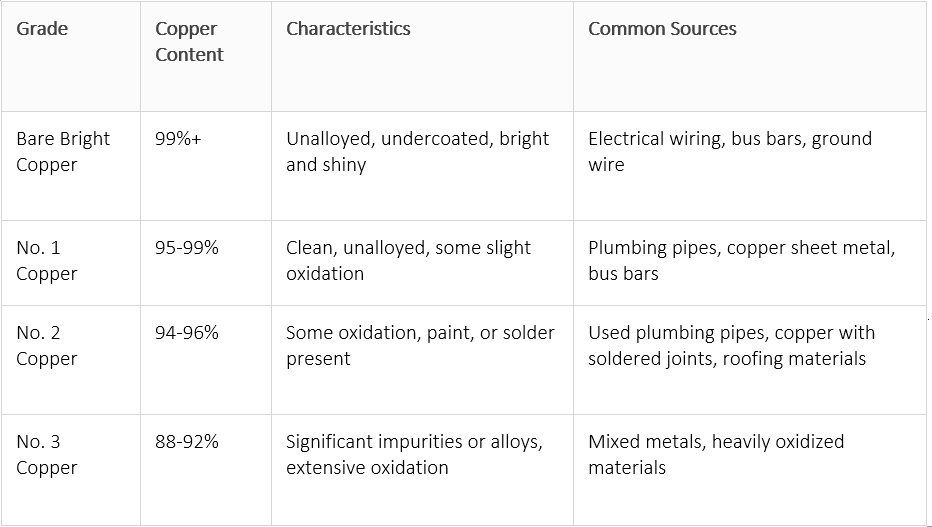
Advanced techniques such as magnetic separation and eddy current sorting help distinguish copper from other metals. Copper is categorized into different grades, with bare bright copper (uncoated wire) being the most valuable, followed by #1 copper (clean tubing without coatings) and #2 copper (containing minor impurities).
PREPOSSESSING AND CONTAMINANT REMOVAL
Before melting can occur, the sorted copper undergoes prepossessing to remove non-copper components. This includes stripping insulation from wires, removing paint or coatings, and eliminating soldering materials.
Cleaning is essential for ensuring the purity of the final recycled product. Contaminants like dirt, plastic casings, and other metals must be thoroughly removed to prevent quality issues in the recycled copper.
SHREDDING INTO MANAGEABLE PIECES
The cleaned copper materials then move to industrial shredders that break them down into smaller, uniform pieces. This step creates more manageable fragments and increases the surface area of the copper.
Properly sized pieces optimize the efficiency of the subsequent melting process. High-powered shredders tear through the scrap, creating uniform fragments that will melt more consistently in the furnaces.
MELTING IN HIGH-TEMPERATURE FURNACES
The shredded copper enters industrial furnaces where it is melted at temperatures exceeding 1,000 degrees Celsius. This phase converts the solid copper fragments into a molten state.
During melting, some impurities rise to the surface as slag and are removed. The process requires significant energy, but recycling copper uses up to 85% less energy than extracting and processing new copper ore from mining operations.
PURIFICATION THROUGH REFINING PROCESSES
The molten copper undergoes further purification to achieve the desired quality standards. Methods like electrolysis separate copper from remaining impurities by passing an electrical current through a solution containing the molten metal.
This refining stage ensures the recycled copper meets industry specifications for conductivity and performance. The purification process can produce copper with a purity level of 99.9%, making it suitable for high-demand applications.
CASTING INTO NEW PRODUCTS
After purification, the refined copper is cast into various forms for distribution. These may include ingots, bars, rods, or sheets depending on their intended use in manufacturing.
The solidified copper products serve as raw materials for new applications in construction, electronics, and other industries. Recycled copper maintains properties identical to newly mined copper, allowing it to be used in the same applications with no loss in performance.
Through this comprehensive process, copper from construction waste is transformed into a valuable resource that reduces the need for mining while maintaining the same quality standards as virgin materials.
HOW CAN CONSTRUCTION COMPANIES MAXIMIZE THE BENEFITS OF COPPER RECYCLING?
The construction industry generates substantial copper waste through demolition, renovation, and new building projects. Strategic copper recycling reduces waste management costs, creates additional revenue streams, and supports environmental sustainability. Construction companies can optimize these benefits by implementing several effective strategies.
IMPLEMENT COMPREHENSIVE RECYCLING PROGRAMS
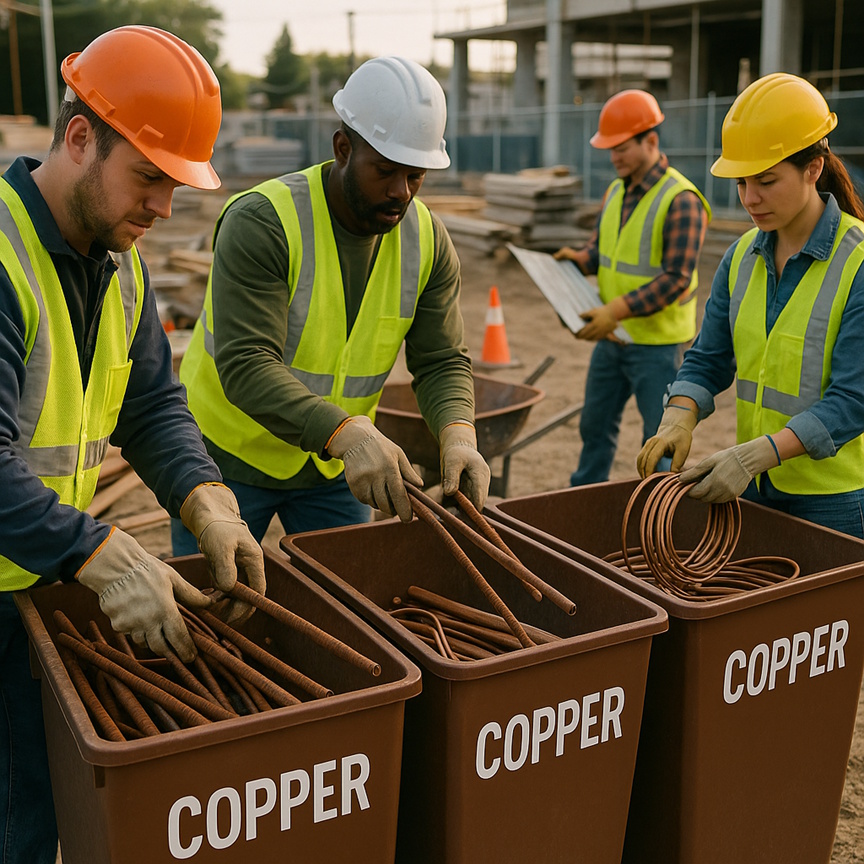
A well-designed recycling program is crucial for effective copper recovery. Construction companies should establish dedicated collection systems at job sites with clearly marked containers specifically for copper materials. This prevents contamination with other metals and maximizes the value of recovered materials.
Regular audits of waste streams help identify missed recycling opportunities and refine collection procedures. Companies can track the amount of copper recovered from each project, allowing them to quantify both environmental benefits and economic returns. This data-driven approach transforms recycling from a compliance activity into a measurable business advantage.
For larger companies, appointing a recycling coordinator ensures consistent implementation across multiple job sites. This person can oversee collection procedures, manage recycling partnerships, and monitor program performance.
PARTNER WITH EXPERIENCED RECYCLING FACILITIES
Selecting the right recycling partner significantly impacts the value recovered from copper waste. Construction companies should research and evaluate local recycling facilities based on their processing capabilities, pricing structures, and environmental credentials.
The best partners offer transparent pricing, convenient pickup services, and detailed documentation of materials processed. Some facilities provide containers for on-site collection and scheduled pickup services, streamlining the recycling process. Establishing long-term relationships with reliable recyclers often leads to preferential pricing and improved service levels.
Construction companies handling large volumes of copper should consider negotiating contracts directly with recycling facilities rather than working through intermediaries. This eliminates middleman costs and maximizes returns on recovered materials.
EDUCATE STAFF ON PROPER COPPER WASTE SEGREGATION
Staff education is a critical component of successful recycling programs. Workers need to understand which materials contain copper, how to properly separate them, and why recycling matters. Training should cover common sources of copper in construction, including electrical wiring, plumbing pipes, HVAC components, and architectural elements.
Regular training sessions keep recycling practices top-of-mind and help integrate them into daily operations. Visual guides posted at collection points can remind workers which materials belong in copper recycling containers. Recognizing employees who consistently follow proper recycling procedures reinforces the importance of these practices.
Companies can also implement quality control procedures to verify proper segregation before materials leave the job site. This additional step prevents contamination that could reduce the value of recycled copper.
EXPLORE LOCAL INCENTIVES FOR SUSTAINABLE PRACTICES
Many regions offer financial incentives for construction companies that implement sustainable waste management practices. These may include tax breaks, grants, or rebates that can offset the initial costs of establishing recycling programs.
Construction companies should research available incentives through local government agencies, utility companies, and industry associations. Some municipalities offer reduced permit fees or expedited approvals for projects that incorporate sustainable waste management practices. Taking advantage of these programs can enhance the financial benefits of copper recycling.
Participating in green building certification programs like LEED also creates opportunities to earn points for responsible material management, potentially increasing project marketability.
LEVERAGE RECYCLED COPPER FOR BRAND DIFFERENTIATION
Sustainable practices like copper recycling can enhance company reputation and create marketing advantages. Construction companies should document their recycling efforts and communicate these achievements to clients, stakeholders, and the public.
Marketing materials can highlight the environmental benefits of copper recycling, such as energy savings, reduced carbon emissions, and conservation of natural resources. Companies can include recycling statistics in project reports, proposals, and sustainability documentation.
For clients with sustainability goals, a strong recycling program may provide a competitive edge during the bidding process. Including recycling commitments in proposals demonstrates environmental responsibility and adds value beyond just project execution.
Some companies now incorporate recycled materials back into their projects, creating a closed-loop system that further enhances sustainability credentials. This approach resonates strongly with environmentally conscious clients.
OPTIMIZE LOGISTICS AND COLLECTION METHODS
Efficient collection and transportation systems reduce the costs associated with copper recycling. Companies should analyze their project locations and waste volumes to determine the most cost-effective collection methods.
For large projects, dedicated on-site collection systems with regular pickups may be optimal. Smaller projects might benefit from aggregating materials across multiple sites before transport to recycling facilities. Strategic planning of material transport can minimize fuel consumption and associated costs.
MONITOR MARKET PRICES AND TIME SALES STRATEGICALLY
Copper prices fluctuate based on market conditions, so timing can significantly impact returns. Construction companies should monitor metal market prices and, when possible, time their sales to capitalize on favorable rates.
Some companies choose to store clean, segregated copper during price downturns, selling when markets recover. While this approach requires storage space, it can substantially increase returns over time. Building relationships with recyclers who provide market insights helps companies make informed decisions about when to sell their materials.
By implementing these strategies, construction companies can transform copper recycling from a simple waste management practice into a valuable business opportunity that delivers both environmental and economic benefits.

