
Asia Bharat Road Premix
ASIA BHARAT ROAD PREMIX & ROAD EXTENDING PROJECT
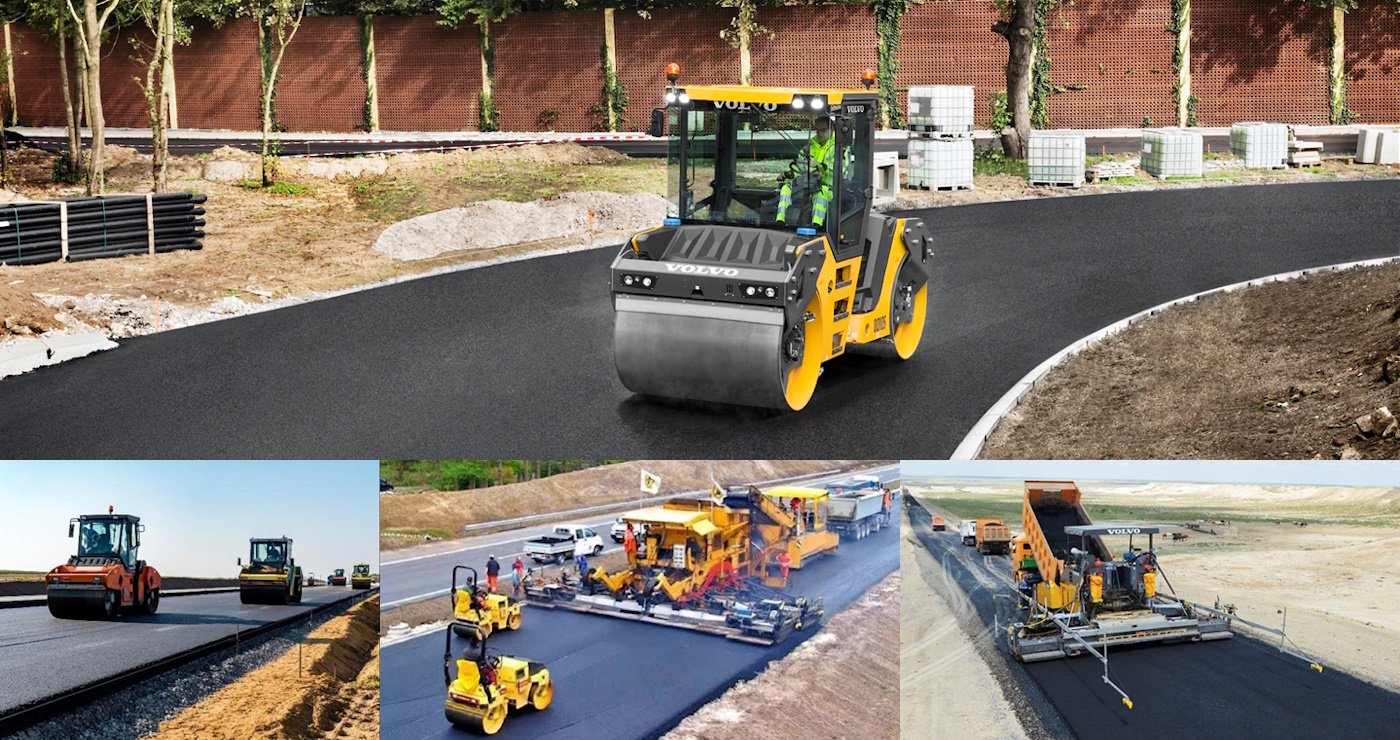
Asia Bharat has completed many road development projects and road engineering works with great quality, diligence, and thorough inspection.
Definition:
Premix refers to a substance or object that is mixed or blended from two or more ingredients or elements before being used, typically in civil engineering, especially for concrete. Premixes are usually mixed at an early stage in the manufacturing and distribution process.
Types of premixes:
- Sheet Asphalt
- Asphalt concrete
- Prime coat
- Tack-coat
Sheet Asphalt:
Sheet asphalt is a premix of bitumen and sand, sometimes with filler, containing coarse aggregate exceeding 30%. It is laid in thickness varying from ¾” to ½”. Sheet asphalt, composed of a single layer of asphalt concrete, is directly applied to the prepared road surface. It is often used for resurfacing existing roads to improve driving conditions by rejuvenating the road surface.
Composition: Sheet asphalt typically consists of a mixture of bitumen (asphalt binder) and aggregates, such as crushed stone or sand, heated, mixed, and spread on the road surface.
Purpose: It aims to provide a smooth, durable, and skid-resistant road surface, enhancing the driving quality of worn-out roadways.
Asphaltic concrete:
Asphaltic concrete, commonly known as “asphalt,” is a premix of bitumen and sand, sometimes with filler, containing not less than 30% by weight of mineral aggregate larger than sand. It is mixed and laid at a high temperature. Asphalt concrete is widely used in road construction due to its durability and ability to withstand heavy traffic loads.
Composition: Asphalt concrete typically contains bitumen as the binder and various sizes of aggregates like sand, gravel, and crushed stone.
Purpose: It is used for constructing road surfaces, including both new road construction and resurfacing existing roads, providing a durable, smooth, and skid-resistant driving surface
Prime Coat:
A prime coat is the initial application of binder to an absorbent highway surface before the construction of a wearing coat. It is a low-viscosity bituminous material applied directly to the prepared road base or subbase to ensure a strong bond between the road base and the asphalt layer
Composition: It usually consists of cutback asphalt or emulsion, a bitumen mixed with a solvent or water, respectively.
Purpose: It promotes and maintains adhesion between the road base and the bituminous surfacing, binds the finer particles of aggregate together on the road base surface, and provides protection against the detrimental effects of rainfall and light traffic if there is any delay in the surface application.
Tack Coat:
A tack coat is the initial application of binder to an existing surface to ensure thorough bonding between new construction and the existing surface. It is a thin application of bituminous material applied to the surface of an existing asphalt layer before placing a new layer on top, enhancing the bond between the old and new layers.
Composition: Tack-coat materials are typically bitumen-based, such as asphalt emulsion or hot-applied asphalt.
Purpose: Tack coats enhance the bond between two asphalt layers, preventing delamination and slippage between layers.
These various types of premixes play crucial roles in road construction and maintenance, contributing to durability, smoothness, and overall performance. Proper selection and application of these premixes are essential for creating safe and long-lasting road surfaces.
ROAD PROJECT AND ROAD NEW INFRASTRUCTURE
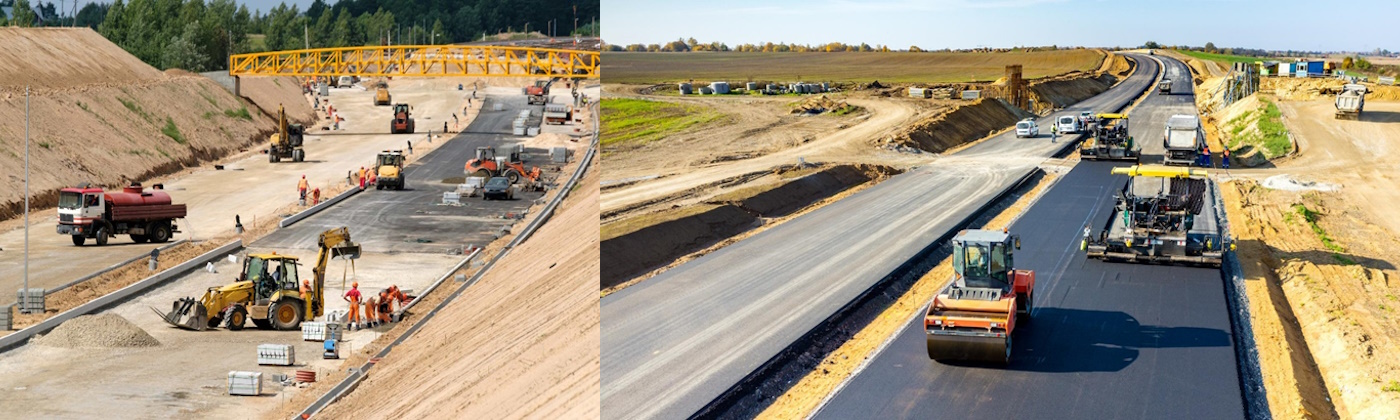
The Bharat Road Construction and Road Engineering Industry have effectively utilized advanced AI technologies for the development of road infrastructure, encompassing both government initiatives, international mega projects, and private sector endeavours.
We have employed high-volume machinery and implemented cutting-edge technological systems, especially in regions where roadway projects intersect with rainforest divisions. Our engineering team has successfully executed exemplary road infrastructure projects, marking significant milestones in our company’s history.
ROAD PREMIX AND ROAD RESTRUCTURING
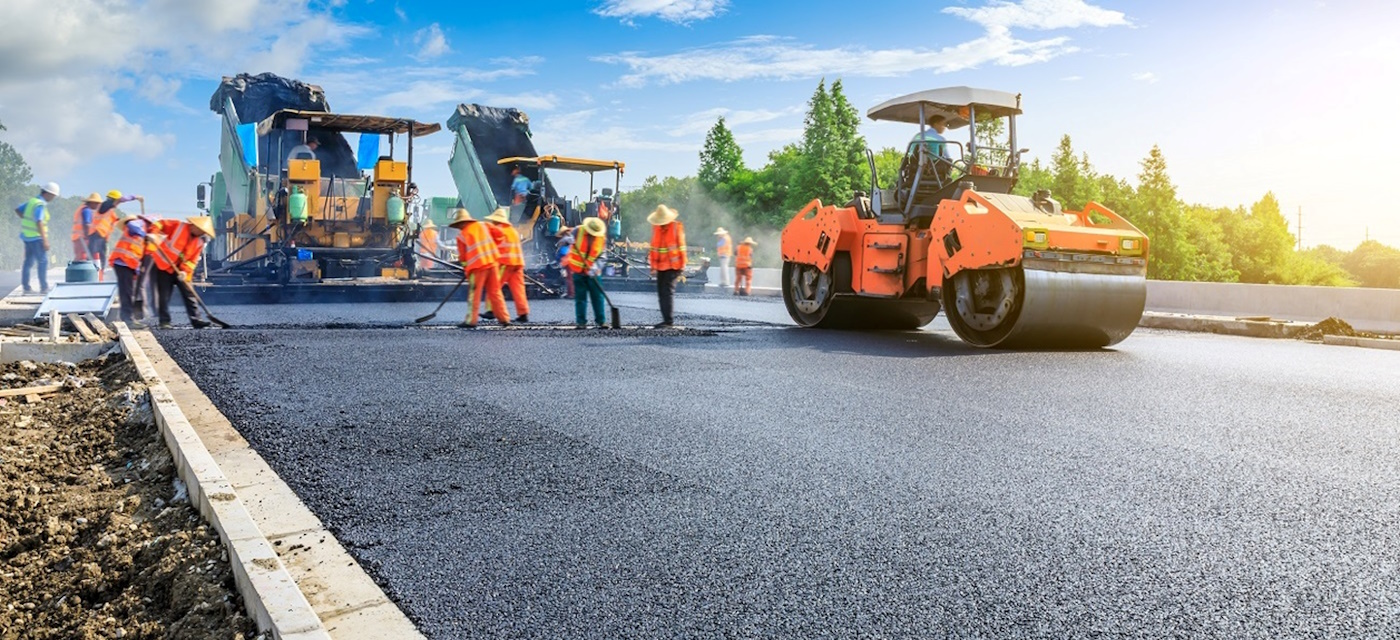
HOW EACH ROAD RESURFACING TECHNIQUE OPERATES
Over time, both public and private roads, along with driveways, naturally degrade. When this occurs, it’s crucial to enlist the services of a construction team to resurface the road. Road resurfacing plays a vital role in enhancing road safety and ensuring the longevity and visibility of road markings. Various methods and materials are employed in road resurfacing to facilitate this process. But how do these methods work? Which ones are recommended by concrete suppliers? Let’s delve into the details.
WHAT IS ROAD RESURFACING?
Road resurfacing refers to the restoration of any type of roadway following years of wear and tear. Factors such as traffic volume, weather conditions, and natural elements contribute to the deterioration of roads over time. While large-scale projects involving public roads are typically handled by local civil engineers, smaller endeavours, such as driveway resurfacing, can be undertaken by small-business contractors. The primary objective of road resurfacing is to enhance the road’s texture or profile while improving skid resistance.
ASPHALT
Asphalt has long been a popular choice in construction. This method involves a mixture of aggregate, filler, and bitumen, laid atop a gravel base of equal thickness. Asphalt road construction is relatively cost-effective compared to alternatives and boasts easy repair and maintenance. However, it can be considerably noisy during the construction process.
COMPOSITE
The composite method combines a PCC sublayer with an asphalt overlay, akin to fly-ash. This eco-friendly approach utilizes recycled materials and is typically employed to rehabilitate damaged or worn-down roads, rather than constructing new ones.
BITUMINOUS
Bitumen, a key component of asphalt, is favored in road construction due to its ease of production, reusability, non-toxic nature, and strong binding properties. The process involves several steps: preparing the base course, applying the bituminous coat, placing the bituminous mix, and rolling, followed by quality checks. Bituminous roads are widely used worldwide, with their thickness varying based on regional subgrade soil conditions.
RECYCLING ROAD
Road resurfacing sometimes involves recycling techniques such as rubblization, full-depth reclamation, and the “cold/hot in place” technique. These methods utilize pre-existing agents and additives in reconstructing roads, contributing to their sustainability.
OVERLAY
For minor fixes not involving deeply penetrated surface defects, overlay is an appropriate option. It helps repair existing cracks without grinding and can enhance the highway’s structural integrity by adding a fresh layer of asphalt, extending its lifecycle.
MILL AND FILL
This method addresses more severe deterioration in roads. When cracks, stresses, and structural defects penetrate below the surface, rendering maintenance impossible, milling and filling become necessary. By grinding damaged asphalt and laying down fresh layers, this method prolongs the asphalt surface’s lifecycle.
Road Extending Work
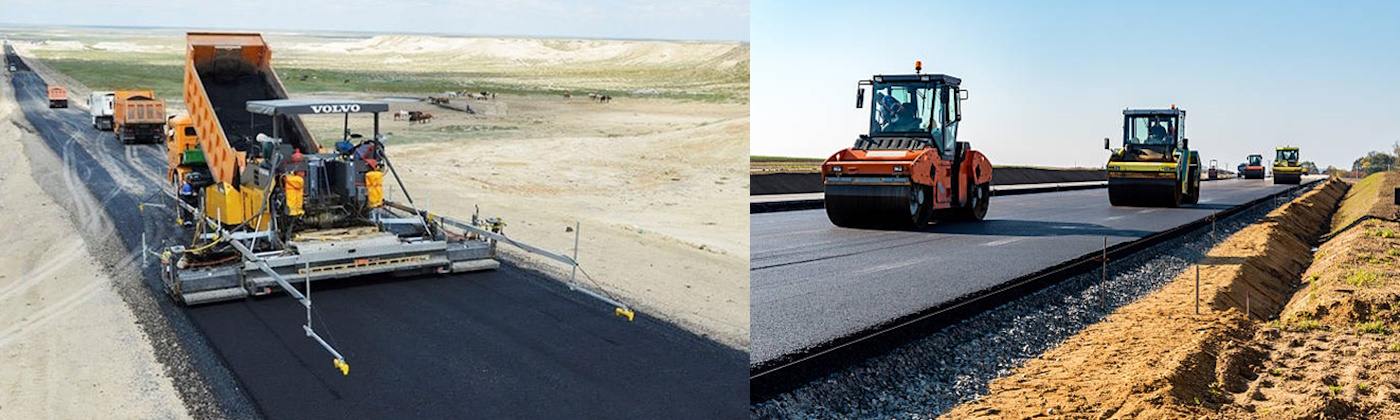
Extending mega-highway roads isn’t a simple task; it requires careful planning by smart road engineers before the project can commence. Analyzing factors such as dimensions in inches and square feet, as well as the quality of premix materials, is crucial.
The history of Asia Bharat Road Construction industry demonstrates its commitment to working on numerous projects in both private and government sectors, often collaborating with subcontractors. The company has completed several statewide projects in Johor Bharu and Selangor without any damages incurred.
Bharat leads its construction business with sincerity and honesty, prioritizing collaboration with clients. We fulfil our responsibilities and accountabilities diligently in every project, ensuring adherence to agreements signed by all parties involved.
Asia Bharat Road Construction Work Inspection
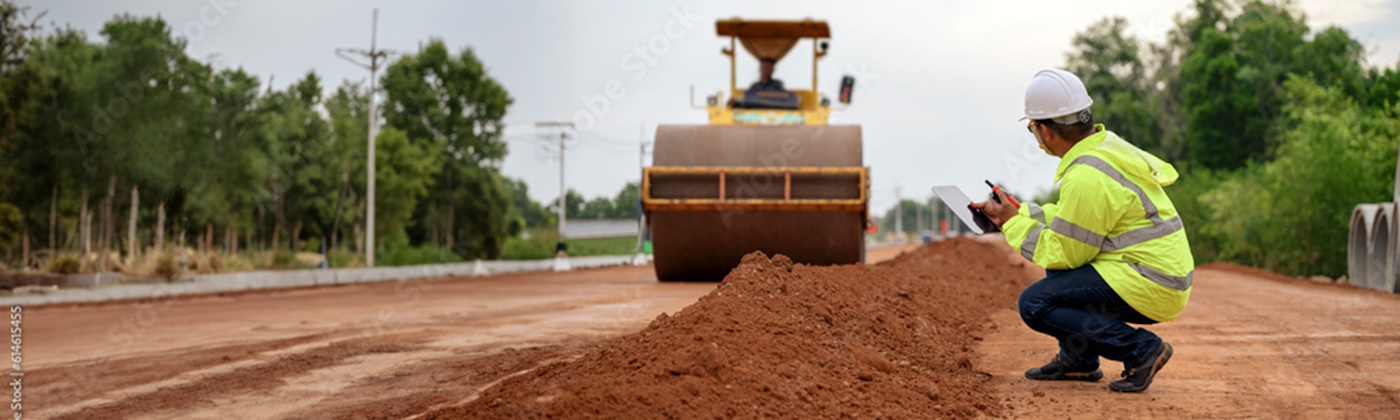
Inspections conducted directly by the government and city council are crucial during the work in progress of Asia Bharat Road Construction projects. These inspections ensure compliance with Malaysian laws and regulations. In cases where the project is offered by the private sector, the engineering teams of the private companies will review our work reports to ensure quality and adherence to standards.

