
Asia Bharat Construction
ASIA BHARAT CONSTRUCTION
Asia Bharat Construction (M) Sdn. Bhd is a leading rapidly growing construction and engineering industry in Johor with fundamental systematic strategic economic challenges in the Johor Bahru and connected working with northern states, southern states, and central regions in Malaysia.
Today, Bharat is the multiple types of construction companies in Malaysia. Nowadays, in Most of the construction, engineering, and renovation industries are very competitive in current global marketplaces. Several companies provide some services and some companies few types of services only. Fortunately, Asia Bharat Construction offers an essential full of construction services including architecture, interior design, engineering, renovation, drainage, staircase, awning, painting, electrical, cleaning, demolishing, and many types of services in Asia Bharat.
Bharat has taken nationwide a wide range of development service challenges to focus on the million-dollar projects in Malaysia.
Building Construction
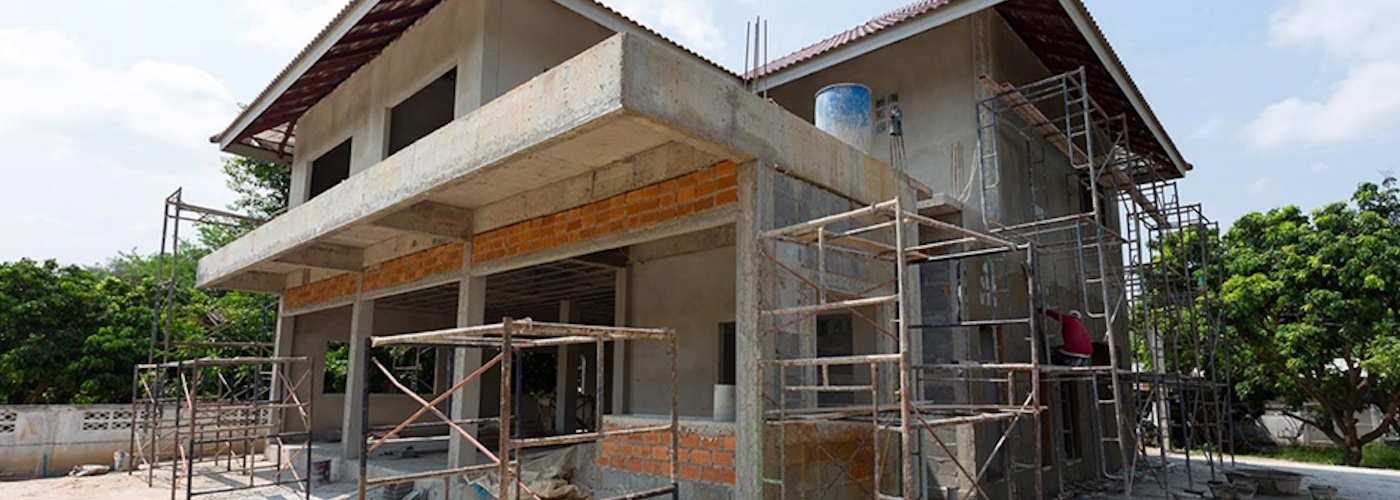
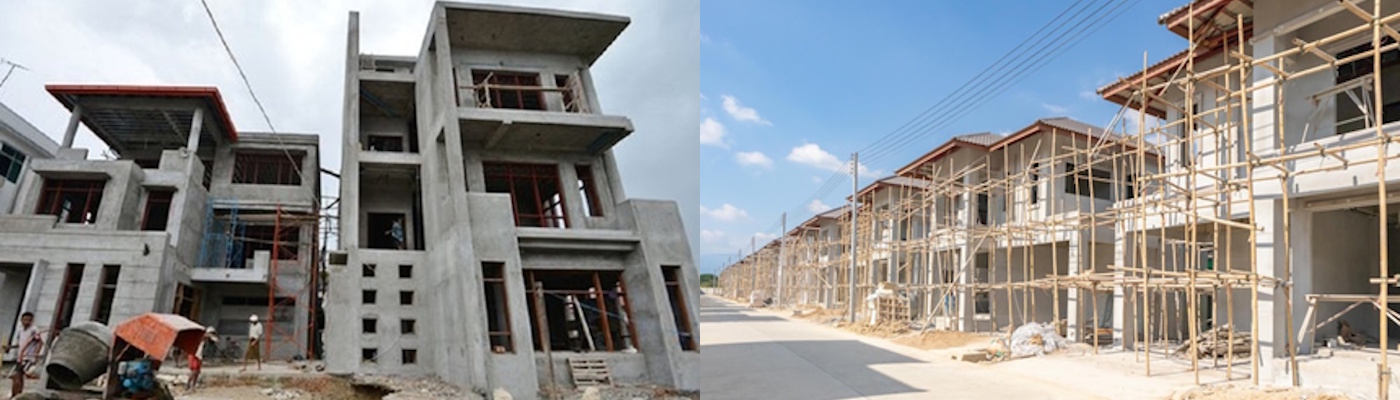
The design phase is a critical stage in any construction project, laying the foundation for the entire build. During this phase, the project team collaborates to create detailed plans and specifications that will guide the construction process. The key activities in the design phase include:
- Architectural and Engineering Design: Architects and engineers work together to create detailed drawings and specifications that outline the project’s structural, mechanical, and electrical components. This phase involves conceptual design, schematic design, design development, and construction documentation.
- Development of Construction Documents: Once the design is finalized, the project team develops construction documents, including blueprints, specifications, and other technical documents. These documents serve as a guide for contractors during the construction phase.
- Value Engineering: Value engineering is a systematic approach to improving the value of a project by analyzing its functions and reducing costs. During the design phase, value engineering helps identify opportunities to achieve project goals more efficiently.
Step 2: Pre-Construction
In the Design-Bid-Build model, we complete the following steps in the pre-construction phase:
1. Get budget approval.
2. Contact city officials, local representatives, and private sector personnel to notify them.
3. Make any additional plans or adjustments to the construction site.
4. Coordinate schedules with the surrounding community and private firms to minimize any disruption.
5. Conduct an equipment inventory to assess any need.
At the end of this process, the client makes any final decisions and last-minute check steps. Once these steps are complete, the client releases a Notice-To-Proceed for contractors to start the next phase.
Step 3: Procurement
In the Procurement phase, we coordinate with all contractors to create a baseline schedule to complete the project phases on time. Some contractors’ roles directly depend on other contractors, so we diligently plan the entire project scope and steps. We use this phase to delegate any team roles for the project, including managers, team leads, and more.
Also, in the Procurement phase, we note any materials with extensive lead times that could delay the project. For example, bridge beams, steel beams, and plumbing items can take longer to arrive, so we keep an eye out for these.
Step 4: Construction
The construction process is when the design becomes a reality. To keep the project on track, we’ll schedule either weekly, bi-weekly, or monthly review meetings with project stakeholders from both organizations. In these meetings, we review the work completed thus far and look ahead at upcoming project goals. We’ll also complete quality control and inspections to ensure design standards are being met, as well as safety management steps to ensure site preparedness.
The construction work itself accounts for:
• Mobilization of Resources: This includes logistics coordination (e.g., equipment transportation), temporary site facilities setup, obtaining the necessary permits/clearances, and finalizing project alignment between all contractors, subcontractors, and supplies.
• Site Preparation and Foundation Work: The ground must be leveled and cleared of all items. Then, excavation can be done for below-ground structures and foundations. Once the stabilization of the soil has been determined, the foundation itself can be laid down.
• Structural Construction: We can move into constructing the framework, floors, roofs, exterior walls, staircases, elevator shafts—whatever is needed.
• Mechanical, Electrical, and Plumbing (MEP) Installation: All essential building systems are incorporated. This includes mechanical (e.g., HVAC), electrical (e.g., lighting fixtures and power outlets) plumbing (e.g., water supply lines and drainage systems), and fire protection systems.
• Finishes: Interior and exterior construction steps—from drywalls and fixtures like cabinets to final coatings—are completed.

